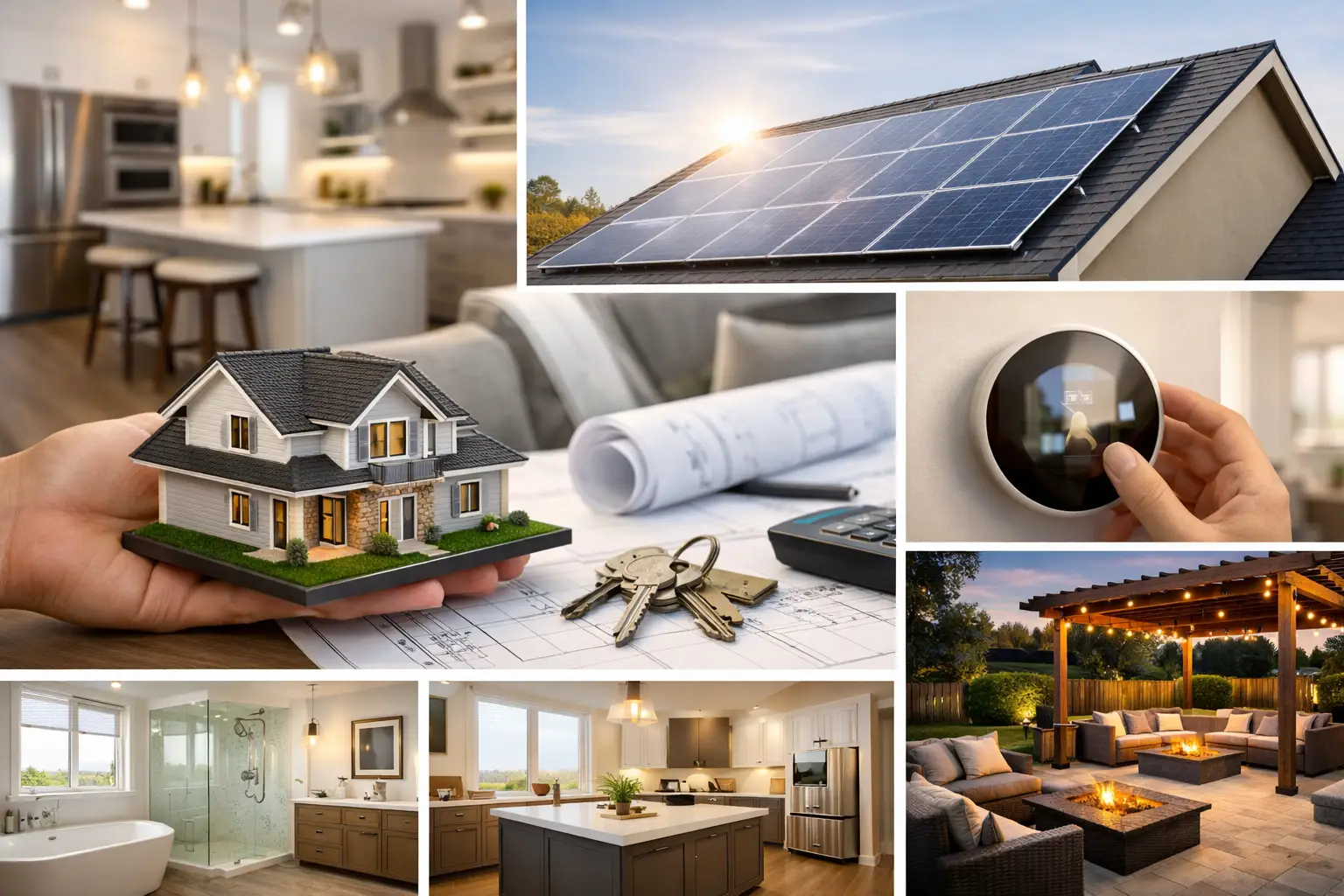
A beautiful renovation does not always translate into a higher home value. Homeowners across Richmond often find that out after spending heavily on trendy finishes while overlooking the updates buyers and appraisers actually notice. If you are asking what adds home value, the best answer is usually this: improvements that make the home more functional, better maintained, safer, and easier to live in.
That means value is not only about flashy kitchens or luxury materials. It often comes from solving real problems, improving flow, adding usable space, and making the house feel cared for from the moment someone pulls into the driveway.
What adds home value most consistently?
The projects that tend to add value most consistently are the ones that improve everyday living and reduce future headaches. Buyers respond well to homes that look updated, but they respond even more strongly to homes that feel solid, practical, and move-in ready.
In many cases, the strongest improvements fall into a few categories: kitchens and bathrooms, functional square footage, curb appeal, outdoor living, and essential updates tied to safety or condition. The right project depends on your home’s age, neighborhood, and price range. A modest house in a well-kept neighborhood may benefit more from a smart bathroom remodel than a high-end custom addition. On the other hand, if your family has outgrown the home and the layout no longer works, added living space may be the better investment.
Kitchens and bathrooms still matter most
If one area of the house has the biggest impact on perceived value, it is the kitchen. Bathrooms are a close second. These are the rooms buyers judge hardest because they are expensive and disruptive to renovate after move-in.
A good kitchen upgrade does not have to mean a full luxury overhaul. In many homes, value comes from improving layout, storage, lighting, and worn finishes rather than chasing the most expensive materials available. New cabinets, updated countertops, durable flooring, and better task lighting can make a kitchen feel significantly more current and more useful.
Bathrooms work the same way. A dated bathroom with poor lighting, old tile, or a worn vanity can drag down the whole home. A clean, professionally finished remodel with better storage, updated fixtures, and a practical layout often delivers a stronger return than homeowners expect.
There is a limit, though. If the rest of the home is modest, installing ultra-premium finishes in a single room may not raise value enough to cover the cost. The best results usually come from choosing quality materials and timeless design that fit the house.
Functional square footage adds real value
One of the clearest answers to what adds home value is usable space. That does not always mean building the biggest possible addition. It means creating square footage that improves how the home lives.
A well-designed addition can increase value because it solves a real need – an extra bedroom, a larger family room, a better primary suite, or space for multigenerational living. In the Richmond area, this can be especially meaningful for families who want to stay in a neighborhood they love rather than move.
Sunrooms can also add appeal when they are properly integrated into the home and built for comfort. A bright, versatile room that expands daily living space tends to be more attractive than a space that feels tacked on or only usable a few months of the year.
The key is whether the new space feels natural. If an addition disrupts flow, creates an awkward roofline, or looks noticeably disconnected from the original house, the value may not be as strong as expected.
Outdoor living can raise appeal and enjoyment
Outdoor improvements can have a surprisingly strong effect on value because they shape first impressions and increase usable living space. In many homes, a deck renovation is one of the most practical upgrades because it improves both appearance and function.
A well-built deck gives homeowners more room to relax, entertain, and enjoy the yard. For buyers, it suggests a home that supports everyday living beyond the interior walls. The same principle applies to improved patios, better railings, stairs that feel safe and solid, and outdoor spaces that connect naturally to the home.
As with indoor renovations, condition matters. A deck with loose boards, outdated materials, or visible wear can hurt value rather than help it. A renovation that improves safety, finishes, and layout often does more than simply replacing boards one for one.
Landscaping, exterior paint, siding repairs, and a well-maintained entry also matter here. Buyers tend to form opinions quickly, and curb appeal sets the tone before they ever walk inside.
Accessibility and aging-in-place upgrades are becoming more valuable
Not every value-adding project is driven by resale alone. Some improvements add value because they allow homeowners to stay in the home longer, more safely, and with greater comfort.
Accessibility upgrades fall into this category. Features like walk-in showers, wider doorways, better lighting, non-slip flooring, and improved transitions between rooms can make daily life easier for aging homeowners or family members with mobility concerns. These projects may not always produce the same broad resale excitement as a kitchen remodel, but they can absolutely increase marketability when done thoughtfully.
More importantly, they add value in a practical sense. A home that adapts to changing needs saves a family from having to move before they are ready. For many homeowners, that kind of value matters just as much as appraised resale potential.
Maintenance and condition matter more than many owners think
Some of the best investments are not dramatic at all. Buyers notice deferred maintenance, and they often assume visible neglect means hidden problems elsewhere.
That is why repairing damage, updating worn materials, replacing failing fixtures, and correcting outdated or unsafe features can protect value just as much as a major remodel. A house with a newer roof, sound windows, good drainage, fresh paint, and properly functioning systems often performs better in the market than a house with one beautiful remodel and several obvious issues.
This is especially important if you are preparing to sell. Buyers tend to discount heavily for homes that appear to need work, even when the actual repairs are manageable. Clean condition and reliable function create confidence.
The best improvements depend on your neighborhood
A renovation should make sense for your home and your market. That sounds simple, but it is where many homeowners overspend.
If most homes nearby have updated kitchens, usable outdoor space, and refreshed bathrooms, your house may need similar improvements just to stay competitive. If your neighborhood is full of mid-range homes, a very high-end renovation may not return dollar for dollar. Buyers often compare homes within a familiar range, and there is only so much premium they will pay.
This is why planning matters. Before taking on a major project, it helps to think about your likely timeline, the condition of surrounding homes, and whether you are remodeling for resale, long-term enjoyment, or both. Usually, the strongest projects do both well.
What adds home value without wasting money?
The best value comes from improvements that solve obvious weaknesses. If your bathroom is outdated, your deck is worn, or your layout no longer fits your family, those are better places to invest than in purely cosmetic upgrades with no real function behind them.
It also helps to avoid chasing short-lived trends. Bold finishes can look exciting today and feel dated a few years from now. Neutral, durable, well-crafted choices usually age better and appeal to more buyers.
Professional execution matters, too. Even a good renovation idea can lose value if it looks rushed or poorly finished. Uneven tile, bad trim work, awkward transitions, or cheap materials are the kinds of details that buyers notice immediately. Quality craftsmanship supports both daily use and long-term return.
For homeowners who want improvements that feel worthwhile now and beneficial later, the smartest path is usually a balanced one. Invest where the home needs help most. Improve function before adding luxury. Choose updates that fit the house, the neighborhood, and the way you actually live.
That is where a consultation-led contractor can make a real difference. A practical plan often protects your budget better than chasing the biggest possible project.
For many Richmond-area homeowners, what adds home value is not a single magic renovation. It is a series of smart decisions that make the home more useful, more comfortable, and easier to trust for years to come.